
SS-31
Elamipretide
- 10mg
- 50mg
from £30.00In stock
For laboratory research use only. Not for human or veterinary use. Not a medicine, food supplement or cosmetic.
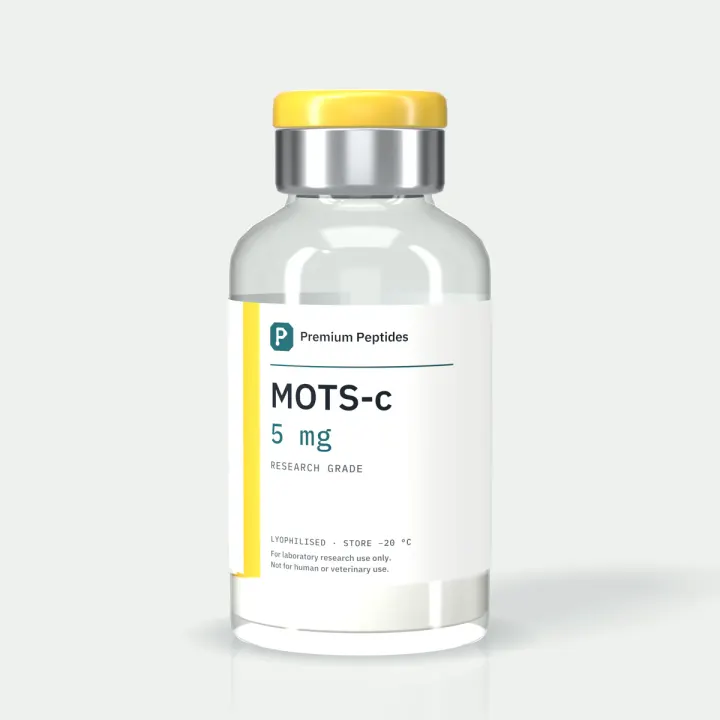
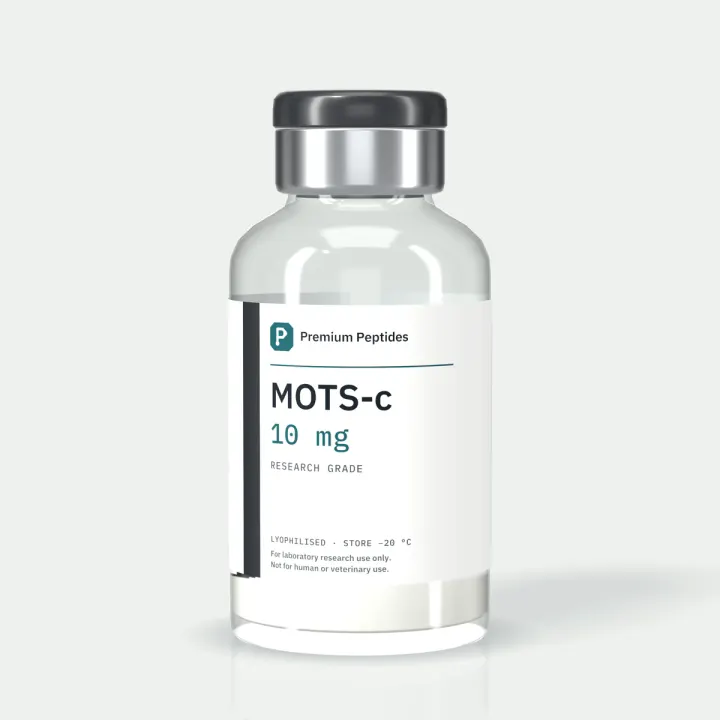
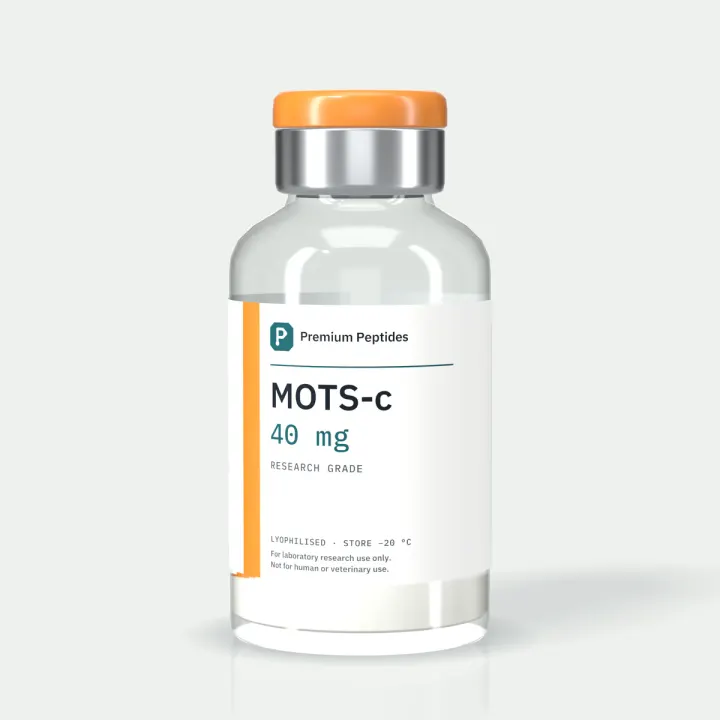
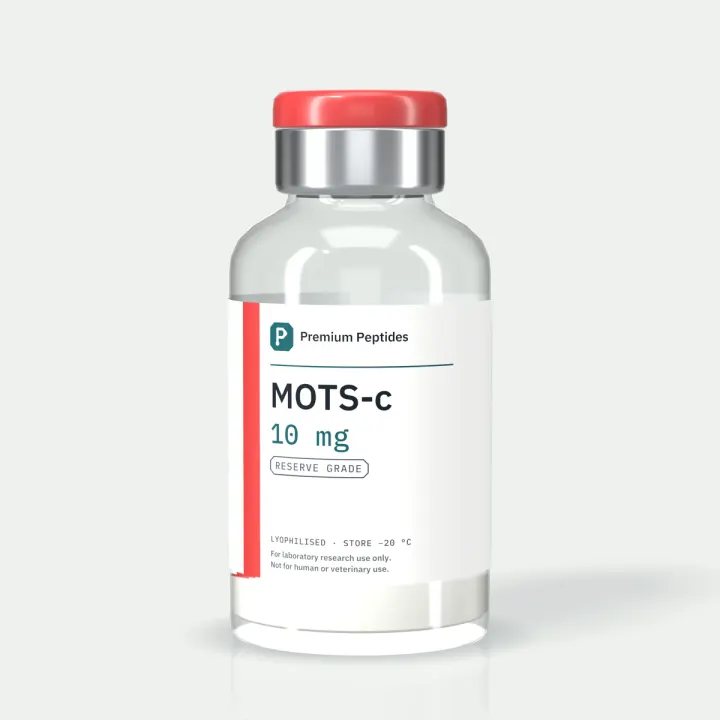
Also known as MOTS-c
Reserve Grade batches pass extra endotoxin and heavy-metal testing on top of the standard HPLC purity analysis. Results are on each batch certificate.
Research use only. Not for human or veterinary use. Not a medicine, food supplement or cosmetic.
WADA notice. This compound is on the World Anti-Doping Agency Prohibited List. It is supplied for laboratory research and must not be used in sport.
Batch certificates are moving here from the old Quality Centre. To get the CoA for the batch you would receive today, email [email protected] with the SKU.
MOTS-c is a mitochondrial-derived peptide (MDP) that has attracted considerable scientific attention for its potential roles in metabolic regulation, energy homeostasis, and cellular function. Encoded within the 12S rRNA region of mitochondrial DNA (mtDNA), MOTS-c comprises 16 amino acids and is part of a family of peptides involved in mitochondrial signalling — a key mechanism in maintaining energy balance at the cellular level.
Research has focused on MOTS-c’s ability to enhance metabolic flexibility — the body’s capacity to switch efficiently between carbohydrate and fat oxidation — and its potential implications for insulin sensitivity, energy production, and healthy ageing.
Discovered relatively recently, MOTS-c represents an emerging class of peptides that extend the functional influence of mitochondria beyond simple energy production. As a mitochondrial-derived peptide, it acts as a retrograde signal, meaning it can communicate metabolic conditions from the mitochondria to the nucleus, thereby influencing gene expression and cellular metabolism.
This unique peptide has shown promise in research exploring glucose regulation, oxidative metabolism, and cellular resilience under metabolic stress. Early findings indicate that MOTS-c may play a role in helping the body adapt to changing energy demands, potentially contributing to improved metabolic stability and performance.
Scientific research suggests that MOTS-c functions through the AMP-activated protein kinase (AMPK) pathway, a central regulator of cellular energy balance. Activation of AMPK promotes fatty acid oxidation, glucose uptake, and mitochondrial biogenesis, which are all essential for maintaining metabolic health.
By influencing AMPK and other downstream targets, MOTS-c may help modulate energy utilisation, insulin sensitivity, and oxidative stress response, providing a molecular basis for its proposed role in metabolic and longevity research.
Metabolic Flexibility MOTS-c is being studied for its ability to support adaptive energy metabolism, particularly in conditions that require efficient switching between glucose and fat as energy sources.
Insulin Sensitivity and Glucose Regulation Early studies indicate that MOTS-c may play a role in improving insulin sensitivity and promoting balanced glucose metabolism, offering potential insight into mechanisms underlying metabolic health.
Cellular Energy Production As a mitochondrial peptide, MOTS-c may contribute to optimising ATP synthesis and reducing metabolic stress, supporting research into cellular efficiency and resilience.
Healthy Ageing and Longevity Pathways MOTS-c has been linked to pathways associated with longevity and cellular repair. Ongoing studies are investigating whether its modulation of mitochondrial signalling could influence age-related metabolic decline.
Store lyophilised protein at –20 °C. After reconstitution, aliquot the product to avoid repeated freezing and thawing. Reconstituted peptide may be stored at 4 °C for short-term use. The lyophilised peptide remains stable until the expiry date when kept at –20 °C.
Source: Biosynthesis Reconstitution: Reconstitute with Bacteriostatic Water
This product is intended for laboratory research only. MOTS-c for sale at Premium Peptides UK is strictly for scientific and educational use. Only purchase MOTS-c if you are a licenced researcher.
Images for illustration purposes only.
MOTS-c represents a fascinating advance in the field of mitochondrial biology and metabolic research. As a peptide derived directly from mitochondrial DNA, it provides a unique perspective on cellular energy regulation, metabolic adaptation, and age-related physiological processes. Ongoing studies continue to explore its influence on energy balance and mitochondrial communication — a promising frontier in modern biochemistry.
Elamipretide



Nicotinamide adenine dinucleotide