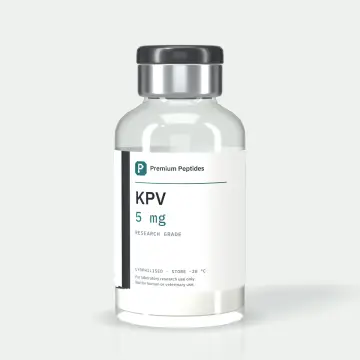
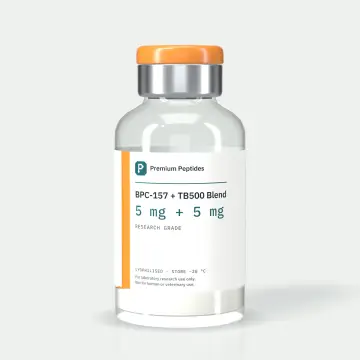
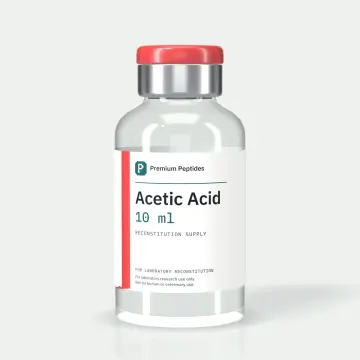
 Save £7.40
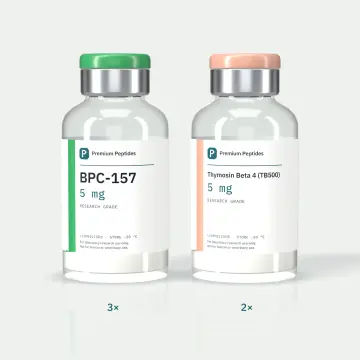
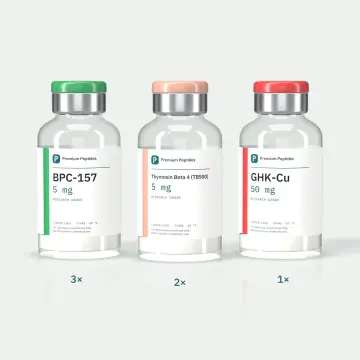
BPC-157/Thymosin Beta 4
Research kit · 5 vials
- 3× BPC-157 5mg
- 2× Thymosin Beta 4 (TB500) 5mg
£106.57 £113.97In stock
For laboratory research use only. Not for human or veterinary use. Not a medicine, food supplement or cosmetic.
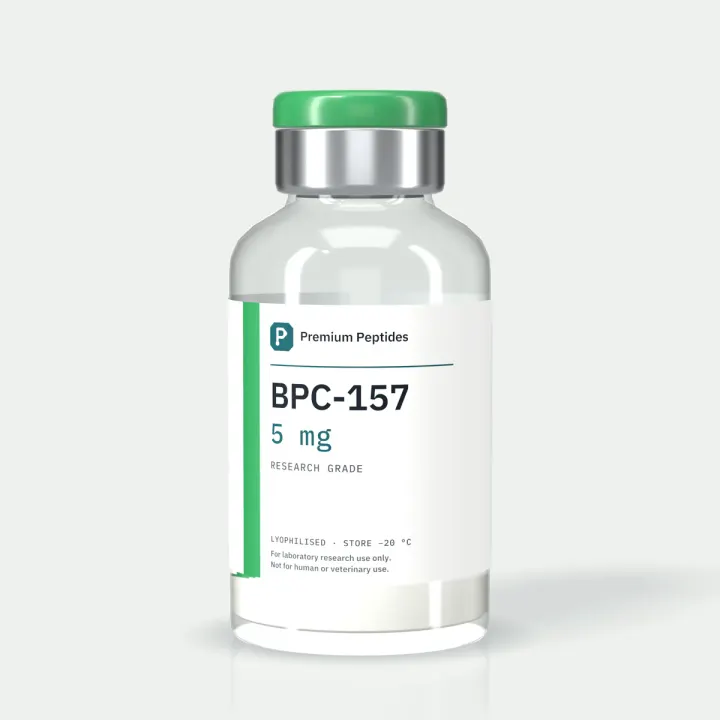
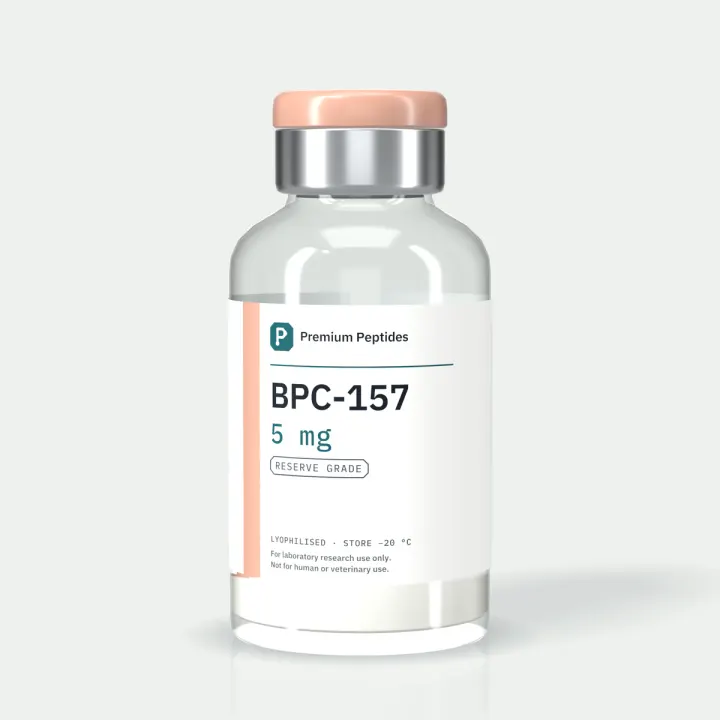
Also known as Body Protection Compound-157 · BPC157
Reserve Grade batches pass extra endotoxin and heavy-metal testing on top of the standard HPLC purity analysis. Results are on each batch certificate.
Research use only. Not for human or veterinary use. Not a medicine, food supplement or cosmetic.
WADA notice. This compound is on the World Anti-Doping Agency Prohibited List. It is supplied for laboratory research and must not be used in sport.
| SKU | Batch | Result | Date | Report |
|---|---|---|---|---|
| BPC-5mg | P191012-076014 | 98.46% purity (HPLC-MS) | 12 Oct 2019 (lot date) Manufacturer's QC laboratory | |
| PREM-BPC-5mg | P191012-076014 | 98.46% purity (HPLC-MS) | 12 Oct 2019 (lot date) Manufacturer's QC laboratory |
Manufacturer batch report: HPLC purity (and mass spectrometry where stated), as supplied with the lot.
BPC-157 (Body Protection Compound-157) is a synthetic pentadecapeptide derived from a naturally occurring protective protein found in gastric juice. It has attracted significant interest in research focused on tissue regeneration, cellular signaling, and angiogenesis. Due to its structural properties and biological interactions, BPC-157 is widely studied for its potential role in cellular adaptation, healing and repair mechanisms, and growth factor modulation.
BPC-157 has been explored in experimental studies investigating tissue repair and cellular homeostasis. Researchers are particularly interested in its potential interactions with:
Due to its ability to modulate cellular signaling, researchers continue to study BPC-157 in the context of wound healing, muscle and tendon adaptation, and tissue homeostasis.
BPC-157 has been studied for its role in angiogenesis, the process of new blood vessel formation. Some laboratory studies have explored how this peptide may:
These findings have positioned BPC-157 as a research focus in vascular biology, particularly in relation to circulatory adaptation and cellular oxygenation.
BPC-157 is also studied in relation to cellular resilience and adaptive mechanisms. Some areas of research interest include:
Studies continue to explore how BPC-157 may modulate homeostatic processes, contributing to its growing significance in research related to cellular repair and stress adaptation.
Unlike many peptides that degrade rapidly, BPC-157 has been noted for its stability and bioavailability. Researchers have examined its:
Due to its broad applications in research, BPC-157 remains a key peptide for studies focusing on angiogenesis, cellular healing and repair, vascular adaptation, and tissue regeneration. Its unique pentadecapeptide sequence and structural stability make it an essential tool in peptide-based molecular research.
For research use only. Not approved for human or veterinary applications.
• Synonyms: Pentadecapeptide BPC-157, Body Protection Compound-157
• Modified Single-Letter Amino Acid Sequence: GEPPPGKPADDAGLV
• IUPAC Condensed Amino Acid Sequence: Gly-Glu-Pro-Pro-Pro-Gly-Lys-Pro-Ala-Asp-Asp-Ala-Gly-Leu-Val
• Molecular Weight: 1419.6 g/mol
• CAS Number: 137525-51-0
• PubChem CID: 9941957
• Further references: PubChem
Stability: Store lyophilised protein at -20°c. Aliquot the product after reconstitution to avoid repeated freezing/thawing cycles. Reconstituted protein can be stored at 4°c for a limited period of time. The lyophilised protein remains stable until expiry date when stored at -20°c. For more information about storage, click here
Source: Biosynthesis
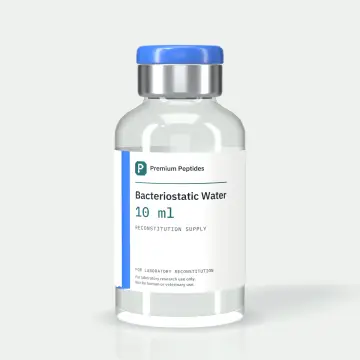
Reconstitution: Reconstitute with Bacteriostatic Water
Usage: Product is prepared for LABORATORY RESEARCH ONLY. BPC-157 for sale at Premium Peptides UK is limited to scientific research and education only – Only buy BPC-157 if you are a licenced researcher.
* Images for illustration purposes only
Save £7.40Research kit · 5 vials
 Save £9.09
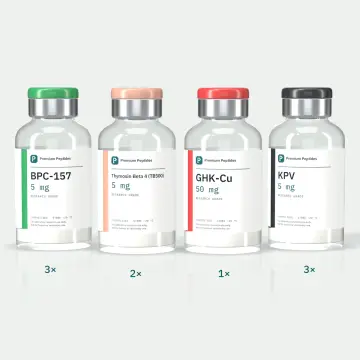
Research kit · 6 vials
 Save £12.78
Research kit · 9 vials
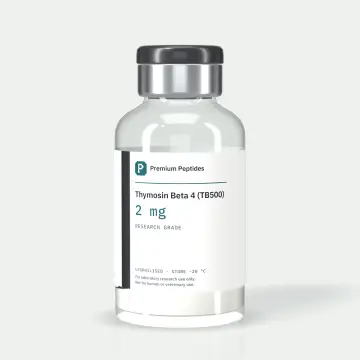
TB500
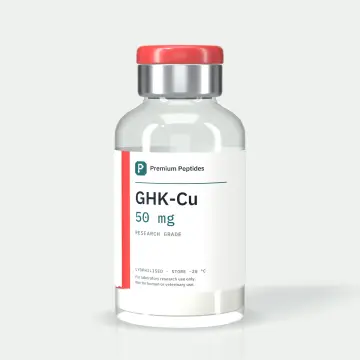
Copper peptide